26 September 2013

Land and Sea

Week 37, 12 September 2013 - Sabah Al Ahmad Sea City (Click to enlarge image)

I was back down in the south to check out the migrant birds in the impressive Sea City development. This time my 'wheels' were powered by twin 250's on the back of a boat.

We started off-shore, where the customary Socotra Cormorants were roosting on the buoys. The breeding season is now over for the Terns of Kubbar Island, so there is a little post-breeding dispersal with young birds seen along the coast. So, today there were two 1st-year White-cheeked Terns

1st year White-cheeked Tern (Chlidonias leucopterus)
And a few Lesser Crested Terns

Lesser Crested Tern (Sterna bengalensis)
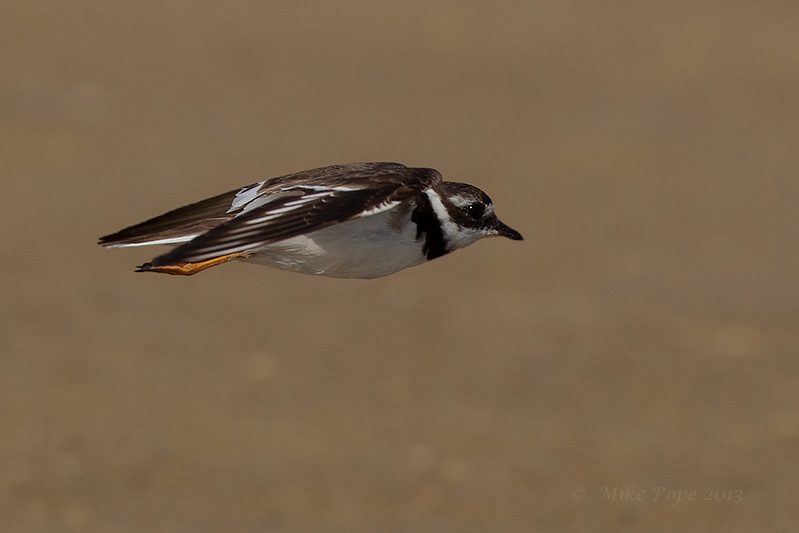
Along the lagoon beaches near the Power Station I found a single Common Ringed Plover

Common Ringed Plover (Charadrius hiaticula)


There wasn't too much more about, so we parked the boat and watched the antics of a few Ghost Crabs which I found are quite elusive and very sensitive to both noise and movement. Their presence is a sign of healthy beach habitat which is encouraging.

Ghost Crab (Ocypode rotundata)


Travelling back to the main lagoon, I found two European Rollers resting on the rocks near the coastguard station and this was my first time for seeing this species in the south of Kuwait

Migrating European Roller (Coracias garrulus)


A walk on the smallest island produced three Shrike species

Daurian Shrike (Lanius isabellinus)
Masked Shrike (Lanius nubicus)
Woodchat Shrike (Lanius senator)
As well as Tree Pipit

Tree Pipit (Anthus trivialis)
Spotted Flycatcher

Spotted Flycatcher (Muscicapa striata)
and a single Western Cattle Egret

Western Cattle Egret (Bubulcus ibis)
A Salmon Arab was a new butterfly species for the project

Salmon Arab (Colotis fausta)
As was this Crimson Speckled Footman moth

Crimson Speckled Footman (Utetheisa pulchella)
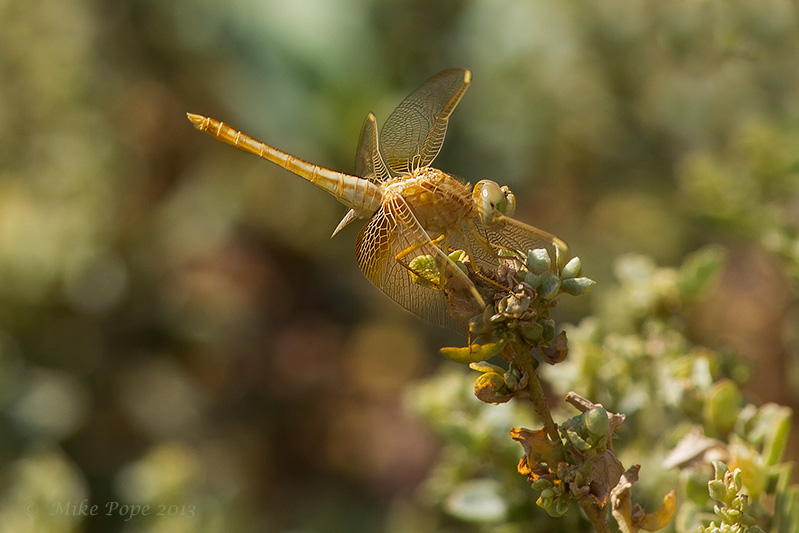
A few Dragonflies were seen, here another I have not been able to identify.

Unidentified Dragonfly
No raptors were seen, which suggests that the main passage route for raptors is in a SW direction, but starting north of Kuwait City.

Raptor Watch

Week 37, 09 September 2013 - Jahra Pools Reserve (Click to enlarge image)

I have had no internet for 2-weeks and finally last night our connection was upgraded and restored. This made me realise just how dependent we are and have become on being connected 24/7. Of course, this inconvenience was not a life threatening situation, but rather very frustrating.

Nevertheless, here we are. Two weeks back on a visit to JPR, I and others photographed two juvenile Squacco Herons and subsequently they were also photographed being fed by an adult. This now constitutes the first breeding record of Squacco Heron in Kuwait, which is pretty exciting news given the favourable conditions at Jahra Pools.

Juvenile Squacco Heron (Ardeola ralloides), 1st breeding record for Kuwait


I was at the Pools fairly early this morning to see what was about and to also check if there were any signs of the Raptor migration which traditionally starts in earnest in this week. There were a few adult Squacco Herons about, by way of comparing the plumage differences between adult and juvenile.

Adult Squacco Heron (Ardeola ralloides)


Also, a number of Mauryan Grey Shrikes

Mauryan Grey Shrike (Lanius lahtora pallidirostris)


The Purple Swamphen family was out for a stroll along the banks of the pool.

Purple Swamphen (Porphyrio  porphyrio) family
Around 9am, the first Raptors were seen, numbers of 1st year Black Kites

1st year Black Kite (Milvus migrans)


Suddenly there was a big eruption of Steppe Eagles that had been roosting on the banks of the pools inside the reserve - but were obviously hidden by the dense reed cover. We estimated around 80 in total, as they thermaled upwards. Unfortunately, I was a little too far away for any frame filling images - but still spectacular to see.

Migrating kettle of Steppe Eagles (Aquila nipalensis)


A number of Steppe Buzzards dropped out of the sky to have a quick drink at the pools before continuing on their way south with a favourable tail-wind.


Migrating Steppe Buzzards (Buteo b. vulpinus)


A lone Short-toed Snake Eagle was also seen in the mix of Eagles and Buzzards..
Migrating Short-toed Snake Eagle (Circaetus gallicus)
We will now wait in anticipation to see if this years numbers exceed what we witnessed last year.


08 September 2013

Hot and sweaty in the South

Week 36, 07 September 13 - Sabah Al Ahmad Sea City (Click to enlarge image)

I had a visit to Sea City in the south of Kuwait on a hot and humid day that seemed to just drain all of your energy and reserves. I can usually handle the summer heat, but today was a struggle made even more so with skittish and uncooperative birds.

As expected, migrant diversity was up - but the numbers are still relatively low in the south (when compared to north of the City). Walking on the islands, a Little Crake was not expected, but disappeared into the undergrowth before I could get the camera to my eye. A single female Ortolan Bunting was a little more obliging

Female Ortolan Bunting (Emberiza hortulana)
As was this female Byzantine Stonechat

Female Byzantine Stonechat (Saxicola m. variegatus)
Most birds were deploying heat management strategies, by sitting quietly and unobtrusively in the shade, trying not to expend any energy - perhaps I should have done the same to minimise my moisture loss. A Eurasian Hoopoe looked like it was trying to have 40-winks to slow it's heart-rate.

Eurasian Hoopoe (Upupa epops)
I got pretty close to a Spotted Flycatcher and it was not interested in vacating its perch on a water pipe in the shade

Spotted Flycatcher (Muscicapa striata)
The resident Crested Larks are a little more hardy and heat resistant - but even they were not out in the open for long.

Crested Lark (Galerida cristata)
After the islands, I headed off-shore, finding a single Grey Plover on the beach

Grey Plover (Pluvialis squatarola)
together with a 1st year Greater Sand Plover

Greater Sand Plover (Charadrius leschenaultii)


Once off-shore, only 2 Socotra Cormorants were roosting on the buoys, together with 2 juvenile Bridled Terns who are now dispersing after the summer breeding season on our off-shore islands.

Juvenile Bridled Terns (Onychoprion anaethetus)


Also seen were 2 juvenile White-cheeked Terns who will also soon be departing the Arabian Gulf shores

Juvenile White-cheeked Tern (Chlidonias leucopterus)

02 September 2013

A quiet morning at the Pools

Week 35, 28 August 2013 - Jahra Pools Reserve (Click to enlarge image)

As the summer holidays edge to a close, I squeezed in a quick visit to Jahra Pools after photographing the sunrise on the Corniche.

Much of the same birds were seen as on the previous visit, but with migration in progress, there is always a possibility of something unusual or different.

There were a number of Heron and Egret species around the various pools and a small flock of Little Egrets was still present


Little Egret (Egretta garzetta)
As was the Purple Heron


Purple Heron (Ardea purpurea)
A Little Crake was seen foraging along the base of a fence in the main pool, as it was last week.


Little Crake (Porzana parva)
A few Great Reed Warblers were seen in the reeds


Great Reed Warbler (Acrocephalus arundinaceus)
And there were at least 3 White-tailed Lapwings present - possibly the adults with a now older juvenile


White-tailed Lapwing (Vanellus leucurus)
The number and diversity of Shrikes had increased; here a 1st year Woodchat Shrike


Woodchat Shrike (Lanius senator)
and a Lesser Grey Shrike


Lesser Grey Shrike (Lanius minor)
Sand Martins were seen perched and preening along one of the fences


Sand Martin (Riparia riparia)
Passerine's diversity had increased with Spotted Flycatchers now making a return


Spotted Flycatcher (Muscicapa striata)
Along with Red-spotted Bluethroats


Red-spotted Bluethroat (Luscinia svecica)
Rashed alerted me to the presence of a Common Rosefinch, a bird we normally see more regularly in the west at Al Abraq


Common Rosefinch (Carpodacus erythrinus)
The early Stonechats that have arrived are Byzantine, as typically European and Caspian arrive later in October and November; according to some ringing records


Female Byzantine Stonechat (Saxicola m. variegatus)
We are eagerly waiting for September, when migration peaks and raptors arrive in greater numbers