12 August 2020

Lockdown - Day 149

 Week 32; 07 August 2020 - Sulaibikhat Bay

There was a decent high tide in mid-afternoon, so I headed to Sulaibikhat to be there on the receding tide. I started at KISR Outfall where it was still brutally hot and the sun was not as far behind me as I had hoped it would be.

There were fair number of Waders, Gulls and Terns roosting and foraging on the now exposed inter-tidal zone. There were a number of juvenile White-winged Terns that would have dispersed from Kubbar Island, where they breed in the summer

White-cheeked Tern (Chlidonias leucopterus)

Whilst Gull-billed Terns have dispersed from Boubyan Island, where they also breed in the summer. Here one in flight

Gull-billed Tern (Gelochelidon nilotica)


I then tried to have some fun and get some BIF images of a few Terns. There were some smaller Whiskered amongst the bigger Terns

Whiskered Tern (Chlidonias hybrida)

But I had the most luck with the White-cheeked who were quite active over the outfall plucking large Crickets from the water. I was pretty pleased with some of these images, considering I was hand-holding the heavy glass from inside the car.

White-cheeked Tern (Chlidonias leucopterus)


I headed a little further up the coast, to where there are thousands of Mudskipper's in the inter-tidal zone and a feast for many of the birds, if they can catch them. This Western Reef Heron was one of the lucky birds and headed to somewhere quieter to eat his meal without having it pirated

Western Reef Heron (Egretta g. schistacea)


There are two species of Mudskipper that call these flats home

Periophthalmus waltoni and Boleophthalmus dussumieri

Mudskipper's as far as the eye can see

This White-throated Kingfisher tried unsuccessfully many times to get a meal before the sunset. This bird had more greenish than typical blue upperparts

It was entertaining to see the Mudskipper's scatter each time it did a low level sortie. Again heat haze played havoc with the focus tracking

White-throated Kingfisher (Halcyon smyrnensis)


A view of Kuwait City from Sulaibikhat Bay as the day drew to an end

Kuwait City


Lockdown - Day 149

Week 32; 07 August 2020 - Pivot Fields

It was an enjoyable short week and before I knew it, it was time for the weekly visit to the Pivot Fields. I tried to re-create the image of the Tamarix Trees from last week, on the way to the marsh, where I park and walk.

Tamarix Grove

The two male Yellow-crowned Bishops were buzzing around like large bumble bees, but never came to my side of the track

Male Yellow-crowned Bishop (Euplectes afer)

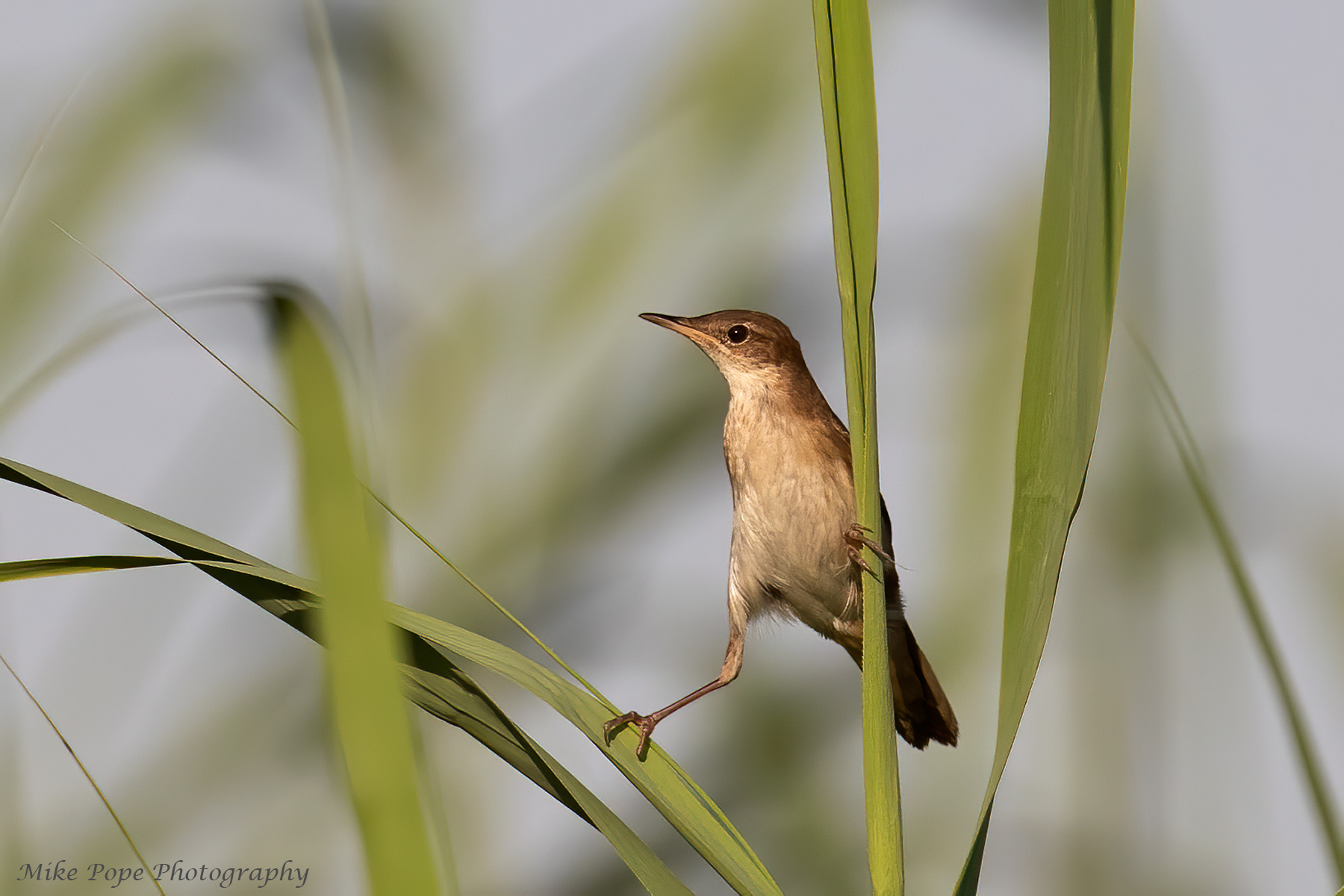
The reedbeds are best for Warblers first thing in the morning. Again they performed, as much as you can expect for reed dwellers which are not out in the open for long at all. Caspian Reed Warbler were pretty active

Caspian Reed Warbler (Acrocephalus s. fuscus)


I noticed this Indian Reed Warbler flying into the reeds with food and was able to get just one image as it dashed out across the grass, to forage for the next mouthful.

Indian Reed Warbler (Acrocephalus s. brunnescens)

I heard a few Savi's calling and then suddenly one popped out on top of the reeds, but not for long. Really cool birds!

Savi's Warbler (Locustella luscinioides)


Add caption

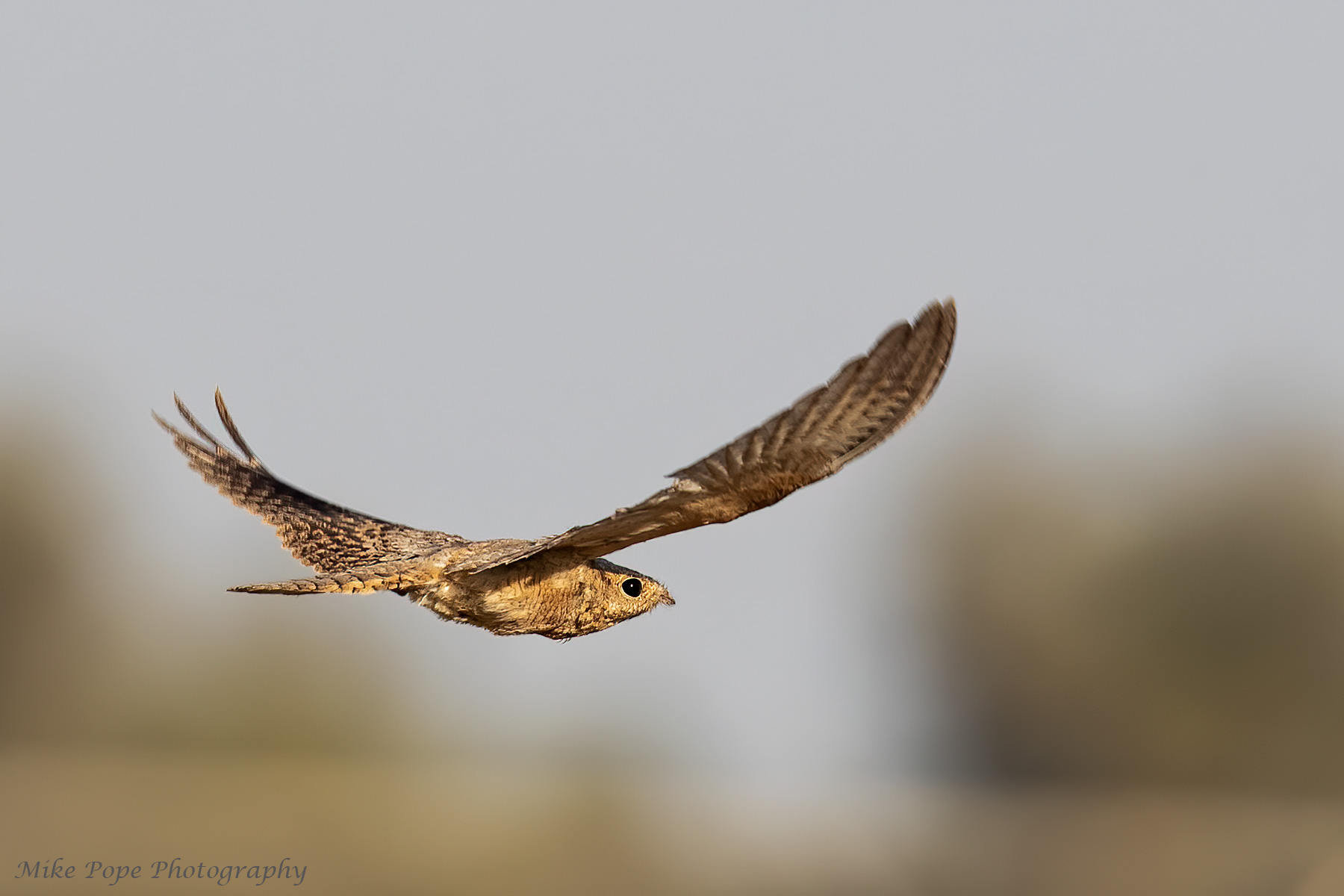
Walking back to the car, I flushed an Egyptian Nightjar and managed to catch it in flight

Egyptian Nightjar (Caprimulgus aegyptius)


Great Reed Warbler's have now arrived and there were a few on the far side of the marsh

Great Reed Warbler (Acrocephalus arundinaceus)

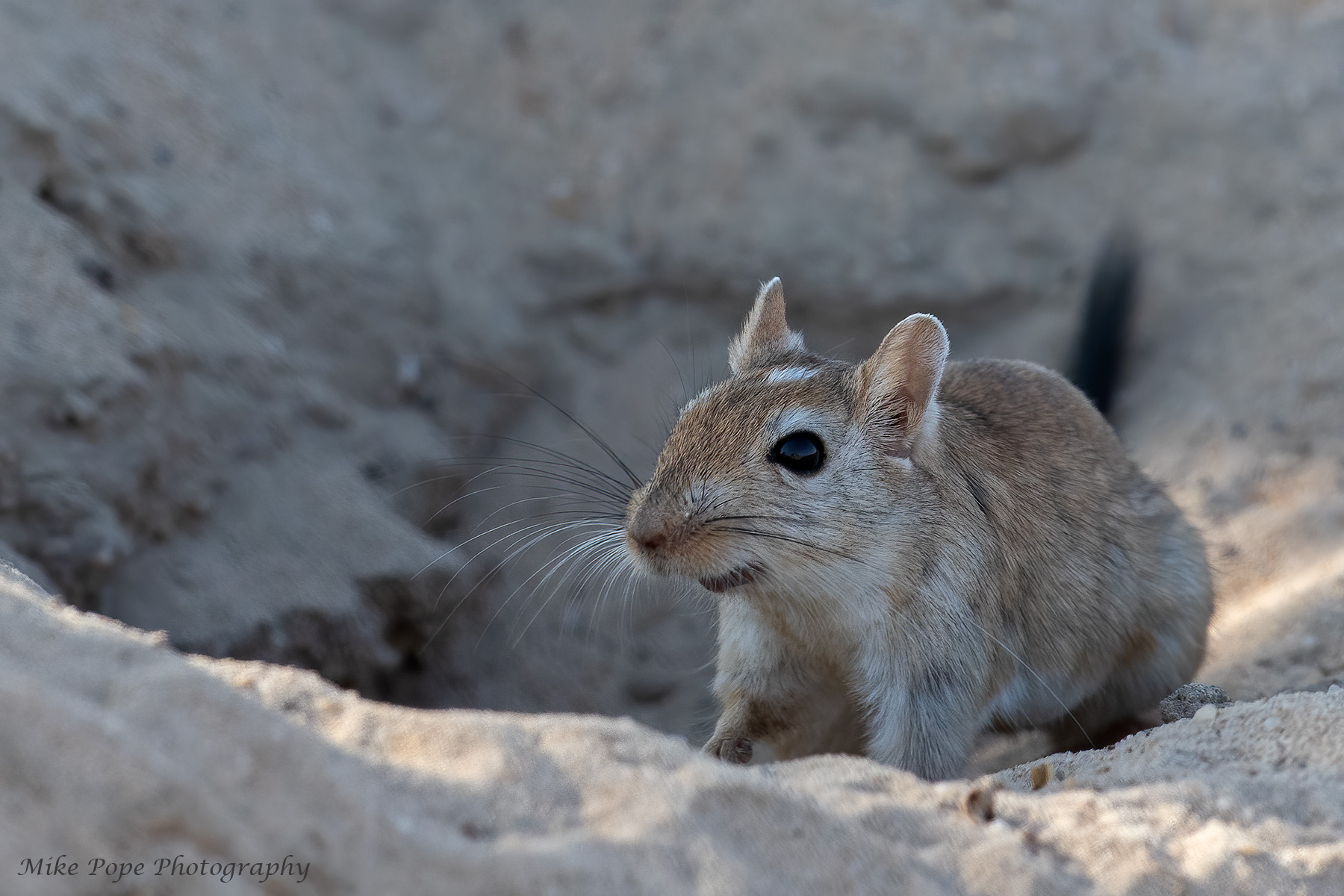
I had a quick drive around the farm and didn't see too much other than a few Libyan Jirds which have now become a little more active in the early morning. A good sign that the weather may be subtly starting to cool

Libyan Jird (Meriones libycus syrius)


At this time of year when it is so brutally hot, water is the best place to sit and wait for birds to come to you, so I headed to the other open pool. Here I could sit sweating in my car, waiting on birds to arrive for a drink or rest. There were a few Black-crowned Sparrow-Larks close to the car when I stopped and parked

Black-crowned Sparrow-Lark (Eremopterix nigriceps)


Over the pool, European Bee-eaters, another new arrival, were hawking - although heat haze played havoc with the quality. The bird in the second image has quite a bit of white on the cheek, something I have not observed before

European Bee-eater (Merops apiaster)


This distant European Roller dropped in for a drink and left just as abruptly

European Roller (Coracias garrulus)

Overhead both Barn Swallows and Sand Martin's were feeding on midges

Sand Martin (Riparia riparia)

At the pool itself, I had Green Sandpipers flying in

Green Sandpiper (Tringa ochropus)

Followed by many Ruff

Ruff (Philomachus pugnax)

Little Ringed Plover foraged around the pool and the surrounding habitat

Little Ringed Plover (Charadrius dubius)

As did a Common Sandpiper

Common Sandpiper (Actitis hypoleucos)

Both Red-wattled

Juvenile Red-wattled Lapwing (Vanellus indicus)


and White-tailed Lapwings were present

Juvenile White-tailed Lapwing (Vanellus leucurus)

Together with two White-winged Terns

White-winged Tern (Chlidonias leucopterus)

Almost next to my car, a Red-spotted Bluethroat emerged from some cover.

Red-spotted Bluethroat (Luscinia s. svecica)


By now I needed to get the AC going in the car and decided to head home. I bumped into Pradeep and Irvine on the way out and they told me they had just had a summer plumage Spotted Redshank at the pool I had just left. 

A photographic opportunity for a summer plumage bird has eluded me in all the time I have been in Kuwait, so I did a quick u-turn and headed back. Luckily for me it was still feeding in the pool and I had time to get some images and soak up the magnificent breeding plumage this skittish bird has. I was really pleased and this was a great way to end the morning 

Spotted Redshank (Tringa erythropus)